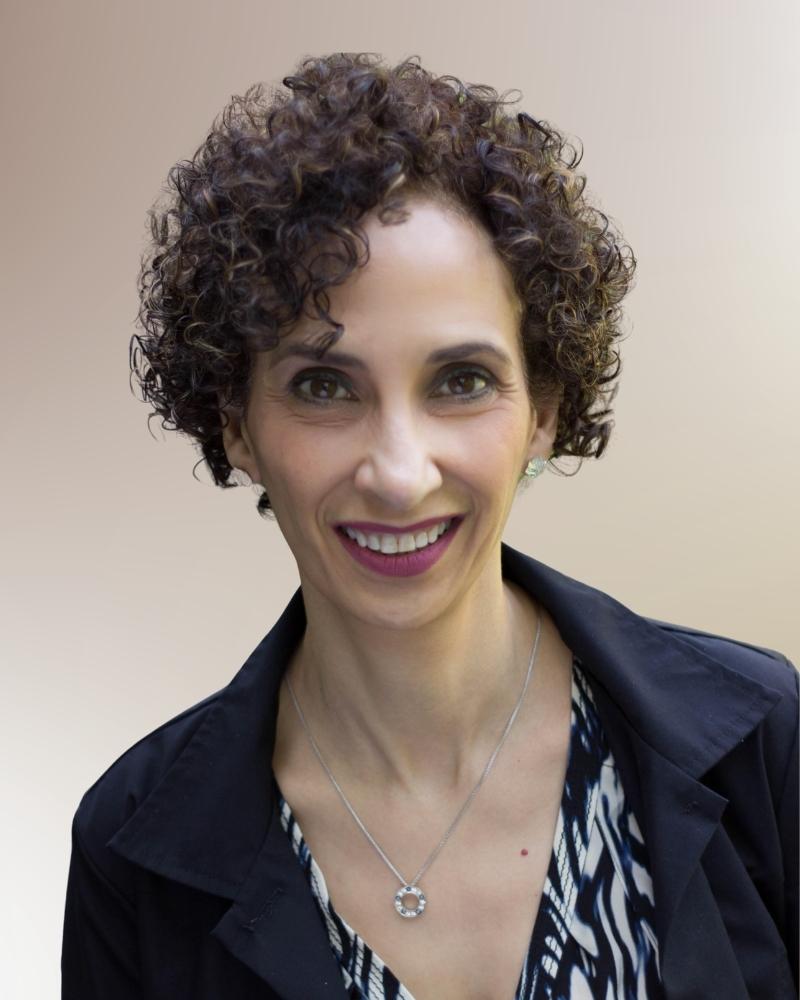
Dr. Suzie Bergman
Professor | President-Elect, American Association of Women Dentists
Dr. Suzie Bergman is President-Elect of the American Association of Women Dentists and Professor at the School of Dental Medicine at Pacific Northwest University of Health Sciences. She is internationally recognized for her work in interprofessional education and the integration of medical, dental, and behavioral health in clinical training and patient care.
With advanced training in Orthodontics and Orofacial Pain, Dr. Bergman focuses on complex craniofacial pain conditions, including temporomandibular disorders. Her research experience includes work at Oregon Health & Science University on the differential diagnosis of trigeminal neuralgia and TMD.
Dr. Bergman is a Fellow of the TMJ Foundation and serves as Selection Chair, Advisor, and Honorary Program Faculty. She also contributes as a clinical expert to the NIDCR-funded TMD IMPACT Consortium, advancing research, diagnosis, and evidence-based management of TMDs.
As moderator, she brings a systems-level perspective to the conversation, guiding discussion across disciplines to explore how symptoms of TMD reflect complex interactions between structure, function, and patient experience.
All Sessions by Dr. Suzie Bergman
Fireside Chat - From Symptoms to Systems: A Conversation On Temporomandibular Disorders
Temporomandibular disorders (TMDs) are among the most complex conditions in oral healthcare, often presenting as localized pain while reflecting broader dysfunction across musculoskeletal, neurological, behavioral, and sleep systems. Diagnosis and management frequently require collaboration across specialties, yet clinical perspectives can differ widely depending on discipline. This fireside conversation brings together experts in orofacial pain, radiology, surgery, and interdisciplinary care to explore TMD from a systems-based viewpoint. Through an interactive dialogue, the panel will examine how structural findings, functional disturbances, patient experience, and treatment pathways intersect — and sometimes conflict — in real-world practice. Rather than focusing on a single protocol, the discussion will highlight the nuances of clinical decision-making, the role of imaging and intervention, and the importance of coordinated care in improving outcomes for patients with TMD. Participants will gain insight into how different specialties approach the same condition and how integrating these perspectives can lead to more comprehensive and effective management.