Prof. Dr. Soraya Robinson
Professor of Radiology | President, European Society of Head and Neck Radiology (ESHNR)
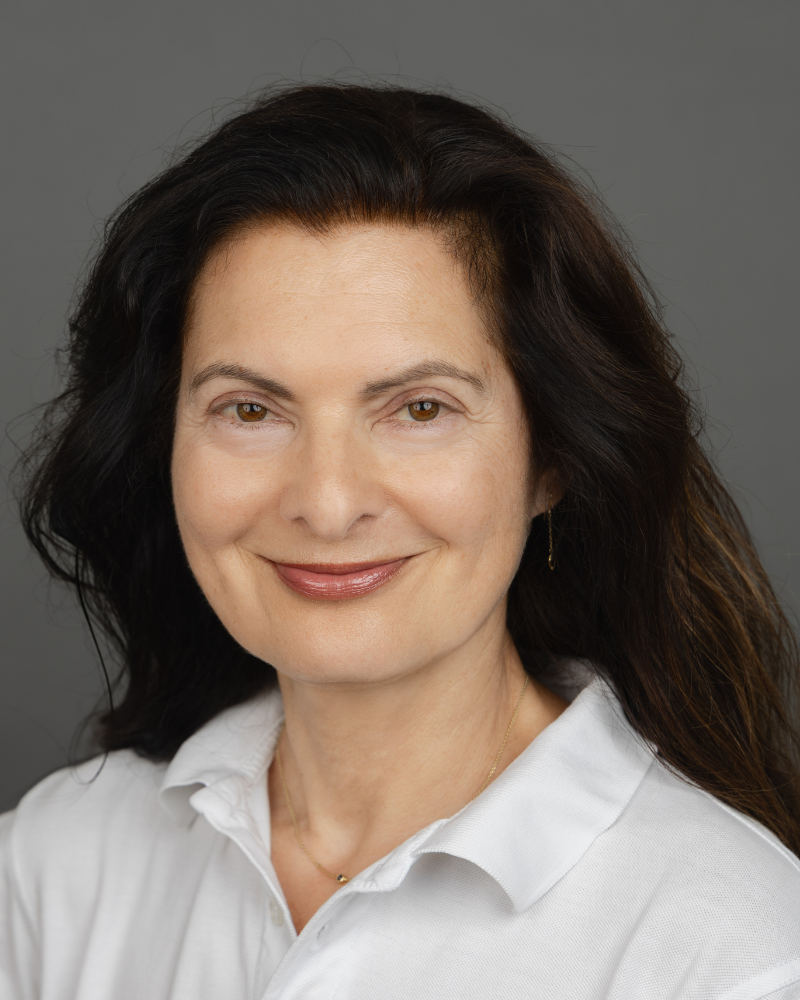
Prof. Dr. Soraya Robinson is a Professor of Radiology and a general radiologist with a dedicated focus on head and neck imaging. She is an active member of the Austrian Radiological Society and has played a significant leadership and educational role within the European Society of Head and Neck Radiology (ESHNR) and the European Society of Radiology (ESR).
She established the annual ECR Case-Based Diagnosis Training in 2014 and has been instrumental in advancing structured radiology education, including organizing ESHNR Online Teaching Weeks and launching the ESHNR Mentoring Programme in 2020, which now supports around 90 international mentor–mentee pairs. Prof. Robinson served as Congress President for the ESHNR Online Conference in 2021 and initiated multiple educational initiatives, including ESHNR case, multidisciplinary, and dental radiology webinars.
She is currently the President of ESHNR and established the SHINE club (the Rising Stars of Head and Neck Imaging NEtwork) for younger colleagues last year. In addition, she serves on the European School of Radiology (ESOR) Programme Planning Committee
All Sessions by Prof. Dr. Soraya Robinson
Keynote - Non-infectious granulomatous disease of the head and neck
Non-infectious granulomatous disease comprises a large group of rare entities, which often do not only affect one, but several organs and therefore cause considerable morbidity and increase mortality in these mostly middle-aged to older patients. Children are even more rarely affected. Earlier diagnosis, appropriate immunosuppression and reduced cortison therapy can mitigate symptoms. Findings are often uncharacteristic, rarely show necrosis and are often associated with vasculitis. Therefore, interdisciplinary cooperation is mandatory to draw the right conclusions. The aim of this lecture is to highlight the potential of X-ray, ultrasound, CT and MRI and show hints, which can make one’s thoughts go into the direction of non-infectious granulomatous disease, such as necrosis of turbinates and nasal septum, three-layer-sclertic thickeing of paranasal sinus walls,pattern of involved intra-orbital muscles and other soft tissues, bilateral facial nerve paralysis, laterality, fat-density goiter, soft tissue calcifications and especially involvement of other organs. Taking the whole history of the patient into account helps to exclude other diseases and come closer to the correct diagnosis after thorough interdisciplinary cooperation