This is the Final schedule
Please note all times are in IST(Indian Standard Time)
Inauguration
Contemporary Management of Oral Leukoplakia: Emerging and Novel Therapeutic Strategies
Oral leukoplakia is the most common oral potentially malignant disorder and carries a significant risk of malignant transformation. Its management remains challenging. This lecture will provide a contemporary overview of evidence-based approaches to risk stratification and management. Conventional strategies such as surveillance, risk factor modification, and surgical excision will be discussed alongside their limitations, including recurrence and field cancerization. The session will also highlight emerging therapeutic approaches, including chemopreventive agents, and immunotherapies. The role of multidisciplinary care and the importance of longitudinal follow-up will be emphasized. Overall, this lecture aims to provide clinicians with a practical framework for managing oral leukoplakia in current practice, while also outlining future directions that may improve patient outcomes.
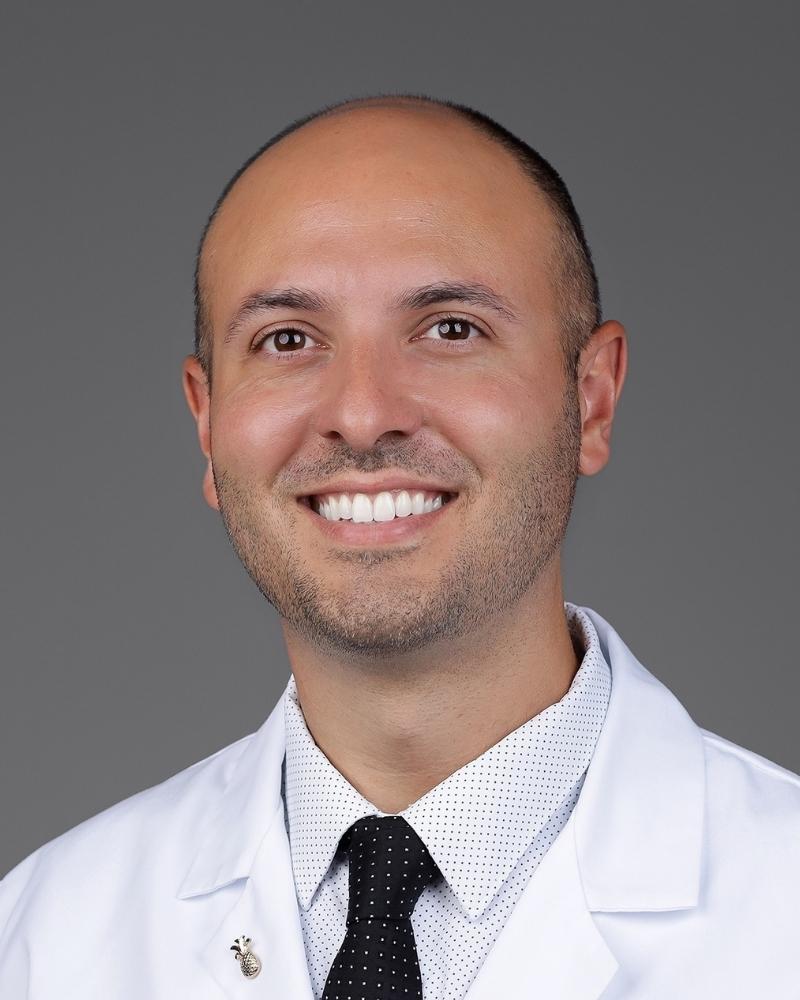 Prof. Dr. Alessandro Villa
Chief of Oral Medicine, Oral Oncology and Dentistry
Prof. Dr. Alessandro Villa
Chief of Oral Medicine, Oral Oncology and Dentistry
Break
keynote - The evolution of “lichenoid mucositis” and its clinical spectrum
For years, the histologic features of lichen planus (LP) were considered sensitive and specific, and the diagnosis of lichen planus was frequently rendered on histologic features alone. Over time, other conditions were recognized to have overlapping histologic features, and this pattern of immune reaction became known as lichenoid mucositis, which encompassed LP and its mimics. While there are some histologic features that allow separation of LP from some of its mimics, this is not always possible for all lesions. In 2016, the American Academy of Oral and Maxillofacial Pathology published a position paper on this dilemma and cautioned against making a definite diagnosis of LP on histologic features alone, but rather the definitive diagnosis should be based on clinicopathologic correlation. You may or may not agree. This keynote address will review lichen planus and its mimics and provide a framework for dealing with lesions that histologically show lichenoid mucositis and its diagnostic pitfalls.
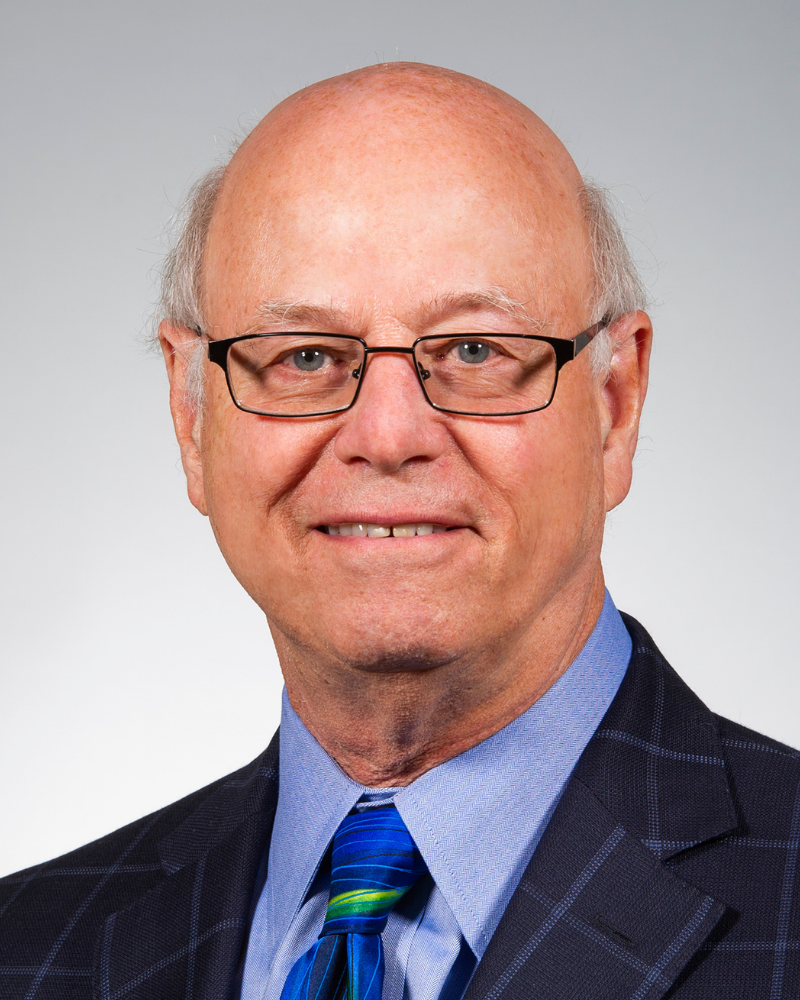 Prof. Dr. John M. Wright
Regents Professor of Oral Pathology
Prof. Dr. John M. Wright
Regents Professor of Oral Pathology
Guest Lecture - S100A7 as a predictor of malignancy
Oral potentially malignant disorders (OPMDs) are a diverse group of conditions with an elevated risk of transforming into oral squamous cell carcinoma (OSCC). We investigated the molecular landscape, evaluated the accuracy of clinical diagnoses offered by surgeons, and assessed protein expression, with S100A7 as a focus, in OPMD. Findings revealed elevated S100A7 expression in dysplastic lesions compared to normal oral mucosa, which correlated with higher grades of dysplasia, highlighting its potential as a biomarker for early malignancy risk detection. Immunohistochemical staining of selected markers suggested the occurrence of epithelial-mesenchymal transition (EMT) in the OPMD cohort. The identified molecular alterations offer promising targets for early intervention and risk prediction, highlighting the critical importance of effective management of OPMDs.
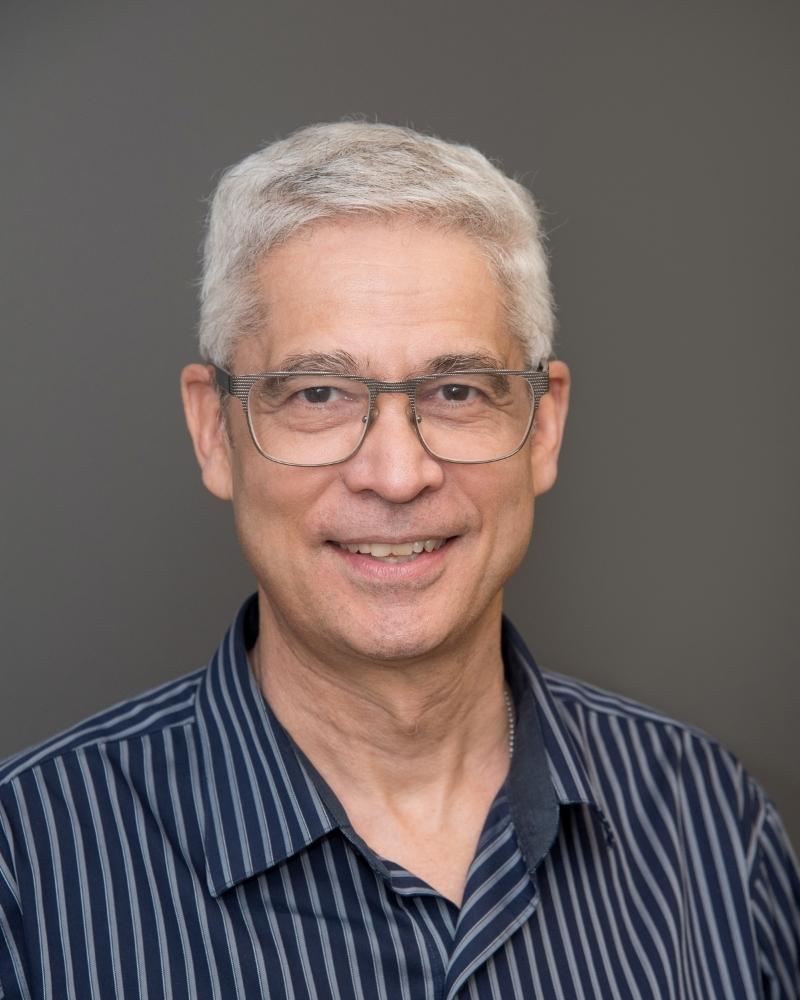 Prof. Dr. Mark Darling
Professor, Department of Pathology
Prof. Dr. Mark Darling
Professor, Department of Pathology
Fireside Chat - From Symptoms to Systems: A Conversation On Temporomandibular Disorders
Temporomandibular disorders (TMDs) are among the most complex conditions in oral healthcare, often presenting as localized pain while reflecting broader dysfunction across musculoskeletal, neurological, behavioral, and sleep systems. Diagnosis and management frequently require collaboration across specialties, yet clinical perspectives can differ widely depending on discipline. This fireside conversation brings together experts in orofacial pain, radiology, surgery, and interdisciplinary care to explore TMD from a systems-based viewpoint. Through an interactive dialogue, the panel will examine how structural findings, functional disturbances, patient experience, and treatment pathways intersect — and sometimes conflict — in real-world practice. Rather than focusing on a single protocol, the discussion will highlight the nuances of clinical decision-making, the role of imaging and intervention, and the importance of coordinated care in improving outcomes for patients with TMD. Participants will gain insight into how different specialties approach the same condition and how integrating these perspectives can lead to more comprehensive and effective management.
 Dr. Suzie Bergman
Professor | President-Elect, American Association of Women Dentists
Dr. Suzie Bergman
Professor | President-Elect, American Association of Women Dentists
 Dr. Vincent E. DiFabio
Associate Professor of Oral and Maxillofacial Surgery
Dr. Vincent E. DiFabio
Associate Professor of Oral and Maxillofacial Surgery
 Dr. Dania Tamimi
Oral and Maxillofacial Radiologist
Dr. Dania Tamimi
Oral and Maxillofacial Radiologist
Case Presentation - Oral
Break
Application of digital technology in maxillofacial prosthodontics
Abstract: Digital technology has transformed many aspects of dentistry. One focus of this transformation has been on maxillofacial prosthodontics. This discipline of prosthodontics is generally characterized by its uncomfortable procedures and need for high level of experience to tackle the various issues related to design and fabrication. Digital technology using scanners and CAD/CAM technology has allowed for increased options and more control during the various issues including for removable and facial prosthesis as well as implant placement. This presentation will discuss various examples of use of such technology and the workflow involved.
 Dr. Abdullah Barazanchi
Senior Lecturer in Prosthodontics | Interprofessional Learning Lead
Dr. Abdullah Barazanchi
Senior Lecturer in Prosthodontics | Interprofessional Learning Lead
Keynote - Non-infectious granulomatous disease of the head and neck
Non-infectious granulomatous disease comprises a large group of rare entities, which often do not only affect one, but several organs and therefore cause considerable morbidity and increase mortality in these mostly middle-aged to older patients. Children are even more rarely affected. Earlier diagnosis, appropriate immunosuppression and reduced cortison therapy can mitigate symptoms. Findings are often uncharacteristic, rarely show necrosis and are often associated with vasculitis. Therefore, interdisciplinary cooperation is mandatory to draw the right conclusions. The aim of this lecture is to highlight the potential of X-ray, ultrasound, CT and MRI and show hints, which can make one’s thoughts go into the direction of non-infectious granulomatous disease, such as necrosis of turbinates and nasal septum, three-layer-sclertic thickeing of paranasal sinus walls,pattern of involved intra-orbital muscles and other soft tissues, bilateral facial nerve paralysis, laterality, fat-density goiter, soft tissue calcifications and especially involvement of other organs. Taking the whole history of the patient into account helps to exclude other diseases and come closer to the correct diagnosis after thorough interdisciplinary cooperation
 Prof. Dr. Soraya Robinson
Professor of Radiology | President, European Society of Head and Neck Radiology (ESHNR)
Prof. Dr. Soraya Robinson
Professor of Radiology | President, European Society of Head and Neck Radiology (ESHNR)
Case Presentation - Oral
Break
Early detection and management of oral cancers: Has the paradigm changed?
Early detection remains the most important determinant of survival in oral squamous cell carcinoma (OSCC). Traditionally, diagnosis has relied on clinical examination followed by biopsy and histopathological confirmation, with surgical excision as the cornerstone of treatment. However, recent advances in diagnostic technologies and therapeutic strategies suggest a potential paradigm shift in the management of early oral cancer. Minimally invasive approaches such as sentinel lymph node biopsy and personalised treatment strategies are reshaping management and reducing treatment-related morbidity. This presentation will review current evidence on evolving diagnostic and therapeutic approaches and critically evaluate whether these innovations represent a true paradigm shift in early oral cancer detection and management or an incremental refinement of existing practices.
 Dr. Sataksi Chatterjee
Consultant Head & Neck Surgeon
Dr. Sataksi Chatterjee
Consultant Head & Neck Surgeon
Rising Star Lecture - Tobacco control and Cessation:
Tobacco control and cessation efforts aim to reduce tobacco use and support individuals in quitting both smoking and smokeless tobacco. The ultimate goal is to decrease the burden of oral cancer and associated mortality. These objectives can be achieved through dedicated tobacco control and cessation centres that provide structured counselling and pharmacotherapy, including nicotine replacement therapies, to assist users in quitting. Although awareness of the harmful effects of tobacco is widespread, education alone has not been sufficient to significantly reduce usage. More proactive interventions, particularly behavioural counselling combined with medical support, are essential for successful cessation. Tobacco control is not solely the responsibility of healthcare professionals. It requires collective social commitment, as individuals can contribute by quitting themselves or by supporting others in their efforts to quit. Even modest involvement can produce substantial public health benefits. This lecture will discuss practical approaches to tobacco control and cessation and encourage active participation in reducing tobacco-related disease.
 Dr. Abhay Suresh Kulkarni
Reader, Oral Medicine and Radiology
Dr. Abhay Suresh Kulkarni
Reader, Oral Medicine and Radiology
Case Presentation - Poster
Break
Open Networking Lounge
Visit the Lounge for informal, guided conversations and the opportunity to meet others with similar interests through themed discussion tables on Oral Cancer & OPMDs, AI & Future, and Students & Early Career, while also exploring posters from the conference sessions.
Break
Keynote - Oral potentially malignant disorders: a 5-year update to the WHO consensus report.
LIVE ONLY LECTURE
 Prof. Dr. Saman Warnakulasuriya OBE
Emeritus Professor of Oral Medicine and Experimental Pathology
Prof. Dr. Saman Warnakulasuriya OBE
Emeritus Professor of Oral Medicine and Experimental Pathology
Case Presentation - Poster
Break
Keynote - From Biofilm to Big Data: AI and the Exposome Revolution in Oral Diagnostics
Oral microbiology and pathology are entering a transformative era shaped by multi omics technologies, artificial intelligence, and the emerging science of the exposome. Moving beyond culture-based diagnostics and morphology alone, contemporary approaches integrate microbial ecology, host response, environmental exposures, and computational analytics to redefine disease detection and risk prediction. This lecture explores how dysbiosis, functional microbiomics, digital pathology, and AI-driven modeling are reshaping the diagnosis of caries, periodontitis, and oral cancer. Emphasis will be placed on exposome–microbiome interactions and the development of predictive, precision oral medicine, positioning academic oral pathology at the forefront of data-driven diagnostic innovation.
 Professor Lakshman Samaranayake
Professor Emeritus of Oral Microbiology | Editor-in-Chief, International Dental Journal
Professor Lakshman Samaranayake
Professor Emeritus of Oral Microbiology | Editor-in-Chief, International Dental Journal
Keynote - "Destructed TMJ, how do we correct the form and function? "
Destruction of the TMJ has many reasons. Trauma, inflammatory disease, and tumors are the main reasons for the often painful but also functional debilitation process that may have a profound psychological influence on a patient, mostly due to chronic pain, limiting the joy of eating, and the prolonged process before functional rehabilitation can take place. The reason for the destructive process, as well as the functional disturbance, dictates the process of conservative management, minimally invasive surgery, as well as more invasive reconstructive interventions. Conservative management, where possible, should be the first line of treatment in cases where ablative surgery is not indicated. Too early an intervention and too many surgical interventions may be detrimental to the healing process and may accelerate the destructive process with an increase in chronic pain. When this line of treatment has been exhausted, depending on the functional and structural deficit, reconstructive procedures can be considered. When the condyle could be stabilised, rather than use it as a base to correct the occlusion by orthognathic surgery procedures, or even utilize osseodistraction. When ablative surgery is indicated or if the measures mentioned before have failed, consideration should be given to more definitive reconstructive options like free bone transplants, free vascular tissue transfer, or, as a last option, total joint replacement. It is imperative to consider all treatment options, based on the underlying pathology, structures that may still be utilized, and the influence of previous and future treatment that may influence your reconstructive efforts. This presentation will walk you through the minefield of the destructed TMJ, giving guidelines based on the literature and a wide base of experience and case presentations.
 Dr. Marius Bredell
Oral and Maxillofacial Surgeon | Head and Neck Surgery & Reconstruction
Dr. Marius Bredell
Oral and Maxillofacial Surgeon | Head and Neck Surgery & Reconstruction
Break
Guest Lecture - AI-Powered Radiological Diagnostics in Dentistry: Panoramic Imaging to CBCT and Beyond
Artificial intelligence (AI) is rapidly transforming dental radiology by enhancing image interpretation, improving diagnostic accuracy, and supporting clinical decision-making. This lecture will provide an overview of current AI applications in panoramic radiography, cephalometric analysis, and CBCT imaging, highlighting advances in automated tooth detection, anatomical landmark identification, lesion characterization, and pathology segmentation. Integrating machine learning and deep learning methodologies, AI-powered radiological workflows offer improved consistency, reduced interpretation time, and enhanced early detection of dental and maxillofacial conditions. The session will also touch upon the future outlook of AI-driven multimodal imaging, including its potential role in MRI-based dental diagnostics and cross-modality fusion. Practical examples from recent clinical and research studies will be presented to demonstrate how AI is shaping the next generation of radiological diagnostics in dentistry.
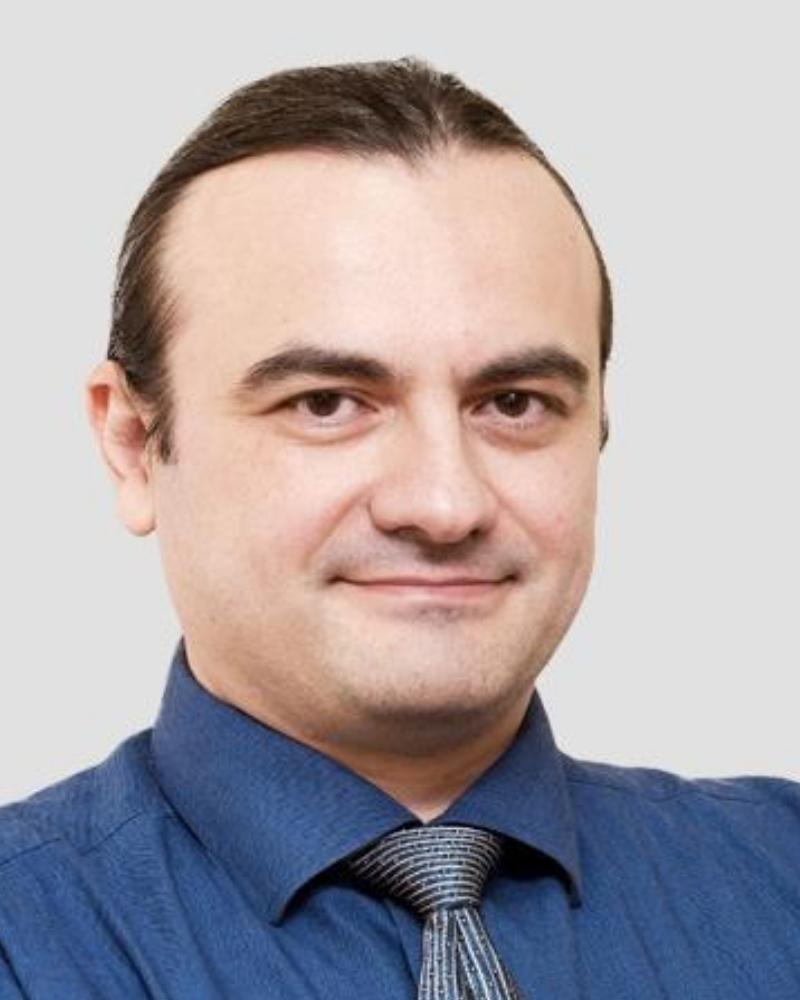 Prof. Dr. Kaan Orhan
Dean and a Professor of DentoMaxilloFacial Radiology
Prof. Dr. Kaan Orhan
Dean and a Professor of DentoMaxilloFacial Radiology
Case Presentation - Oral
Poster Presentation - Poster
Chronic mechanical irritation of the oral mucosa and its relationship with oral squamous cell carcinoma: What do we know and what don't we know?
Chronic mechanical irritation (CMI) of the oral mucosa is defined as “the result or effect of repeated mechanical irritating action of an intraoral agent” and includes fixed, removable, and functional traumatic factors such as sharp teeth, defective prostheses, and parafunctional habits. In recent decades, an increasing percentage of oral squamous cell carcinoma (OSCC) not related to tobacco or alcohol have been recorded, so other risk factors are being studied. Epidemiological data show that no single risk factor is necessary or sufficient for OSCC, and that the accumulation of multiple factors increases risk. Case-control studies show that CMI increases the risk of OSCC, and even acts synergistically with tobacco and alcohol. Experimental animal models consistently confirm that chronic traumatic ulcer (a prototypical CMI lesion) act as tumor promoter, increasing OSCC frequency, aggressiveness, and reducing latency. However, epidemiological evidence is limited, not only in quantity, but also because cohort studies in humans are not ethically feasible. Therefore, the study of carcinogenesis biomarkers in CMI lesions is the most reasonable option to address the resolution of this discussion. Biological mechanisms proposed include chronic inflammation, oxidative stress, impaired DNA repair, apoptosis inhibition, angiogenesis, and epigenetic alterations. Although causality is not fully established, CMI may play a role in promoting and/or progressing oral carcinogenesis. Consequently, implementing anti-trauma protocols could reduce the incidence and morbidity of OSCC.
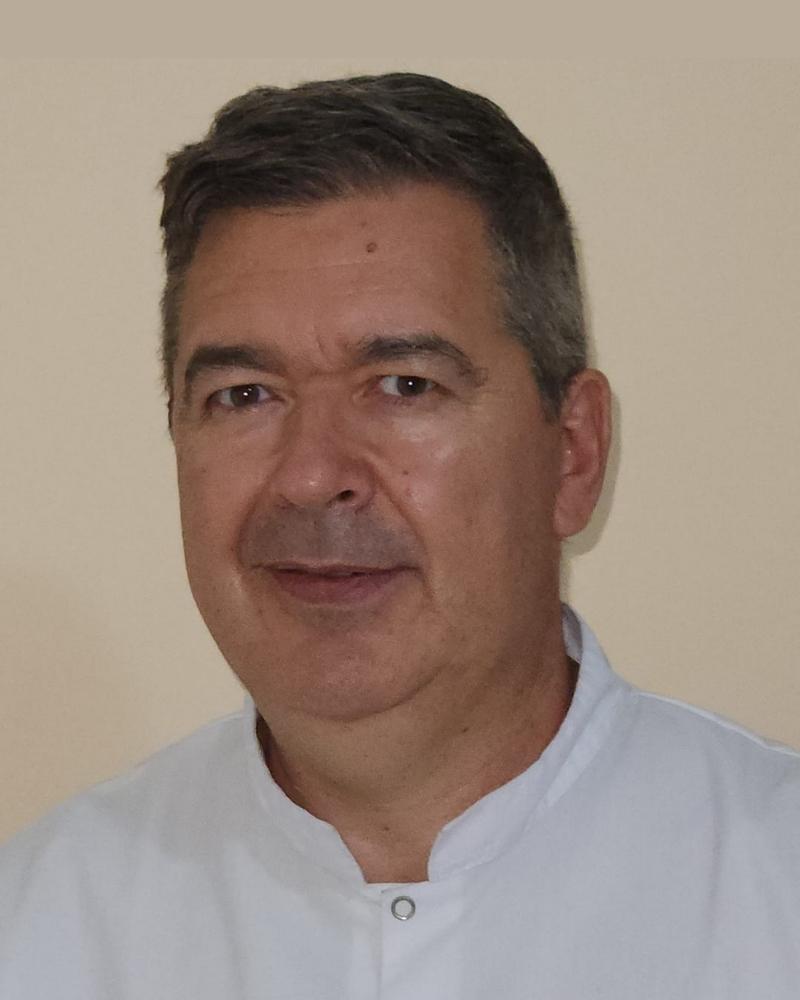 Prof. Dr. Eduardo David Piemonte
Associate Professor of Oral Medicine
Prof. Dr. Eduardo David Piemonte
Associate Professor of Oral Medicine
Closing Ceremony